

Bougainvillea
If you ask people in Shenzhen what flower they consider the most special, you’ll likely hear names like Yezi Hua (叶子花),Sanjiao Mei(三角梅),Du Juan (杜鹃),Baojin Hua(宝金花) or Jiuchong Ge(九重葛). Interestingly, these are actually all the same plant, which is Bougainvillea.
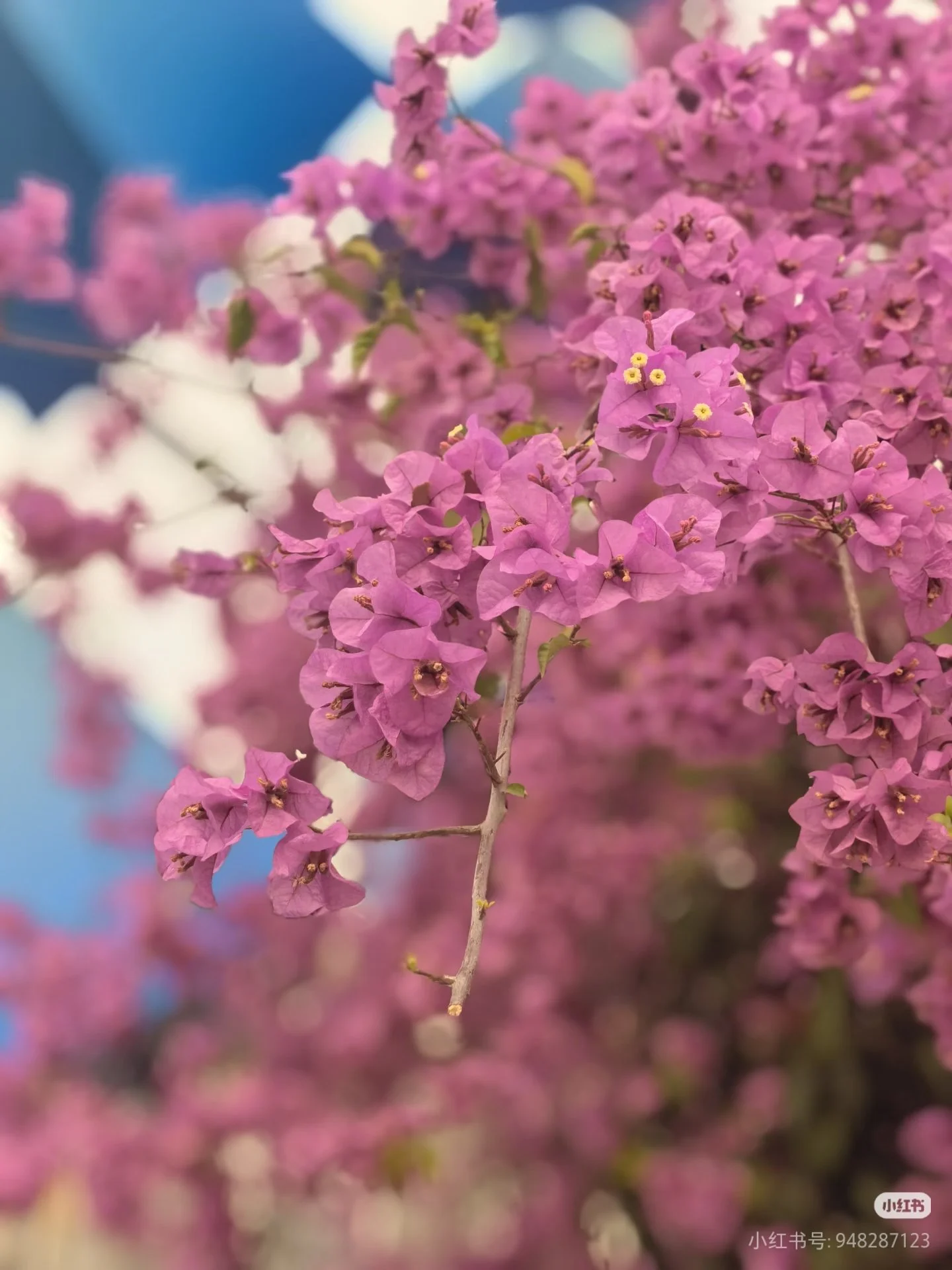
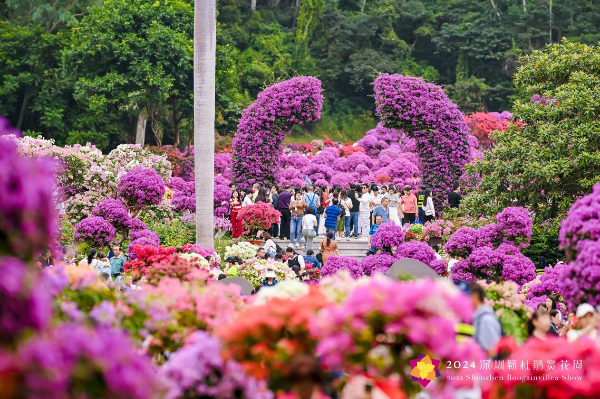
Why do so many people love it? It was chosen as Shenzhen’s city flower in a vote held in 1986. Although it isn’t a native flower, Shenzhen’s climate and soil conditions are ideal for it, allowing it to bloom beautifully for a long time. Since becoming the city flower, many landscaping designs have been created around it.
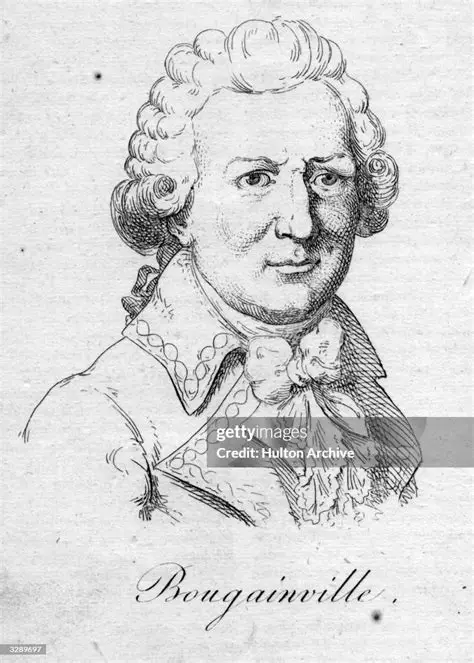
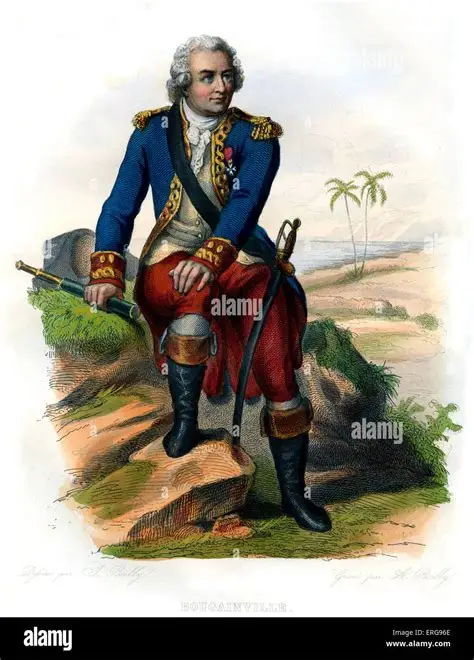
Bougainvillea was discovered by a French botanist over two hundred years ago in the suburbs of Brazil. After the Seven Years’ War ended in 1763, France lost its key North American colonies, including Canada. To reverse this situation, King Louis XV authorized Bougainville to lead an expedition on France’s first official round-the-world voyage. The goal was to find new colonies in the South Pacific, break Britain’s maritime dominance, and map the geography of the Southern Hemisphere.
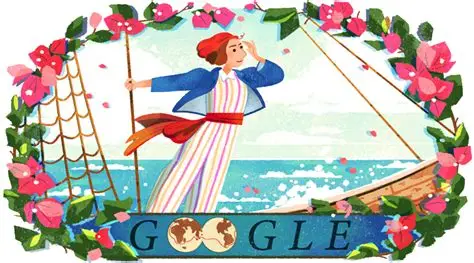
In January 1767, the fleet crossed the Atlantic and arrived in Rio de Janeiro, Brazil, where they stayed for several weeks to restock supplies and conduct scientific research. In the rainforests outside Rio, crew member Philibert Commerson and Jeanne Baret collected specimens of this vine with thorny branches and bright purple-red flowers.
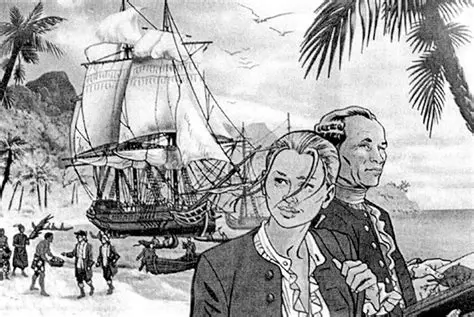
Commerson, with his expertise in botany, immediately recognized that this was a new genus never recorded by European botanists. To honor Bougainville, the expedition’s leader, he named the genus Bougainvillea and detailed its characteristics and prepared specimens.
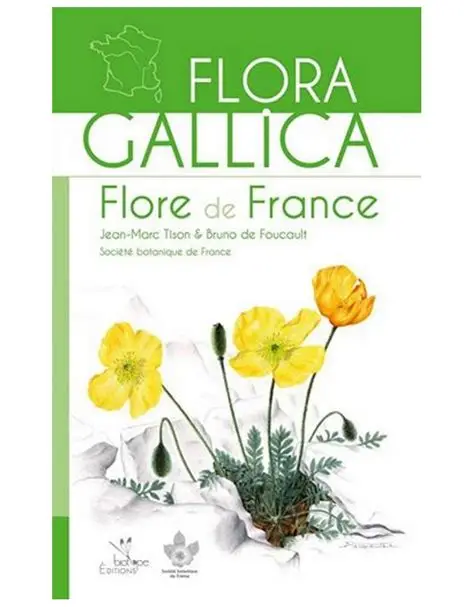
In 1789, Antoine Laurent de Jussieu, a famous French botanist, published the name Bougainvillea in his “Flora Francaise,” officially establishing the scientific name for this plant. This name has been used ever since.
Jeanne Baret’s contribution was forgotten for over two hundred years until it was rediscovered by historians more recently. In 2012, a plant in the nightshade family was named after her to honor her role as the first woman to travel around the world and her contributions to the discovery of Bougainvillea.
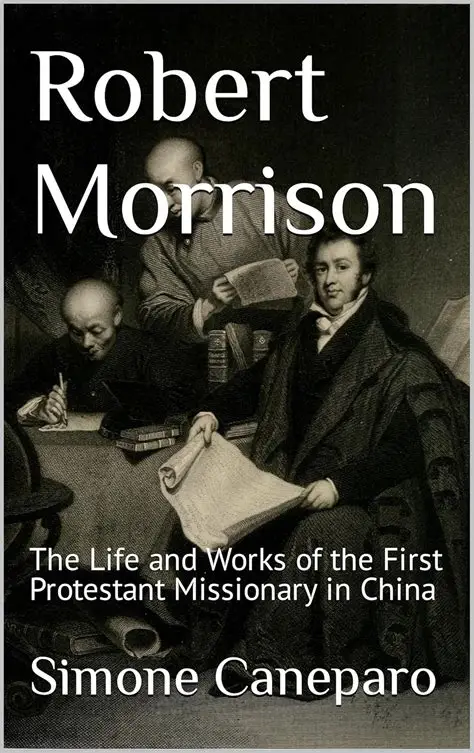
The earliest record of Bougainvillea being introduced to China dates back to 1872 when Dr. Robert Morrison, a British missionary, brought it to Taiwan. In the 1920s and 1930s, it spread from Taiwan to coastal cities like Xiamen and Guangzhou. Xiamen University holds a specimen collected by Professor Zhong Xinxuan in 1922, making it the earliest known record of Bougainvillea on the mainland.
In Guangdong, Fujian, and Hainan provinces, Bougainvillea is the most commonly chosen city flower. In Guangdong alone, seven cities have adopted it as their city flower: Shenzhen, Zhuhai, Huizhou, Jiangmen, Heyuan, etc. It’s truly the “King of City Flowers” in the Lingnan region. Neighboring cities like Pingtung in Taiwan, Xiamen in Fujian, and Sanya and Haikou in Hainan also use Bougainvillea as their city or provincial flower.
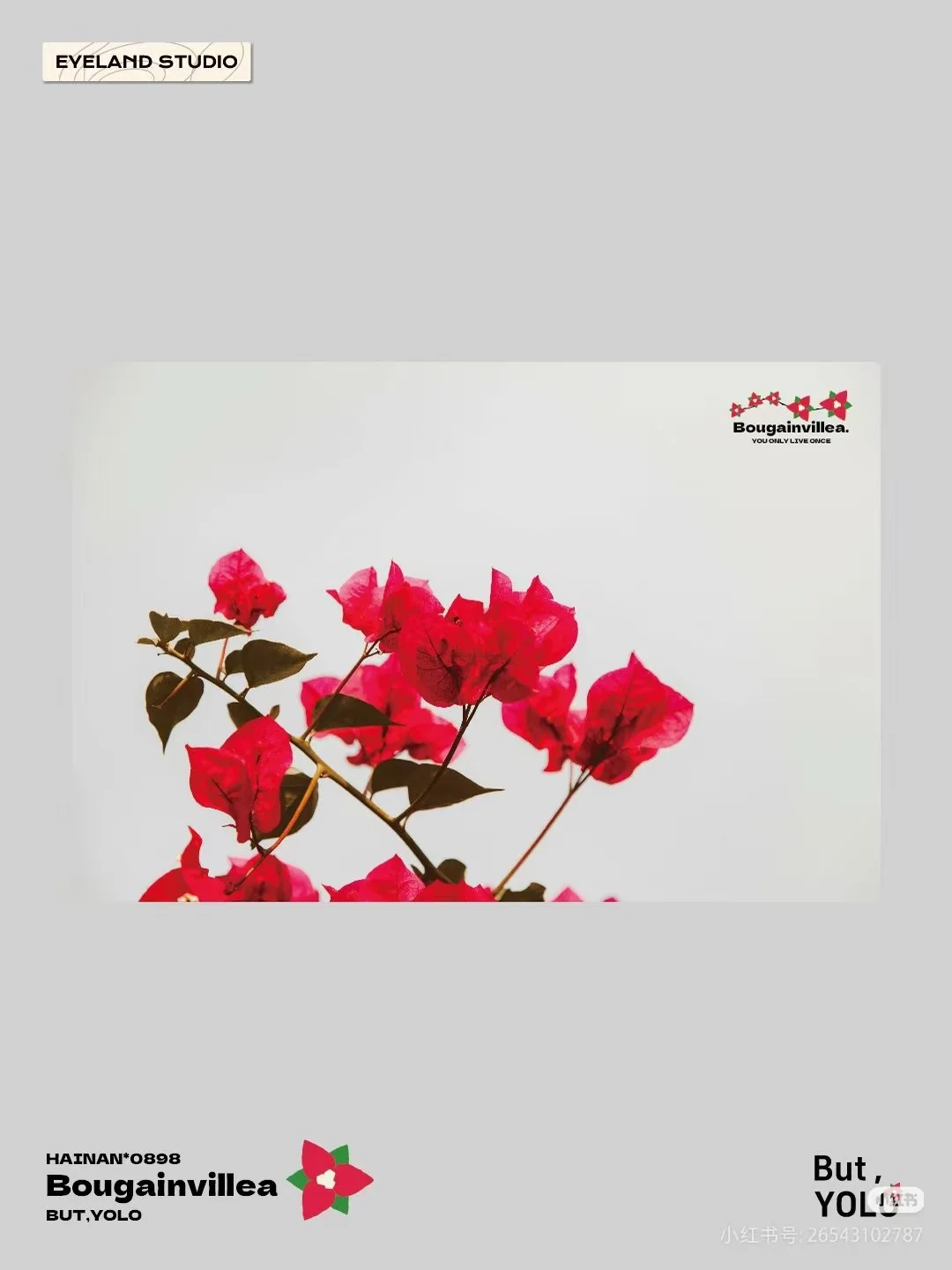
In 1986, during the period of political reform, Shenzhen launched a competition to choose its city flower. By September 1986, several cities in China had already chosen their flowers. Shenzhen wanted to use this opportunity to promote urban greening and create a landscape that reflected both Lingnan traditions and the characteristics of a special economic zone. These efforts were led by municipal gardening departments.
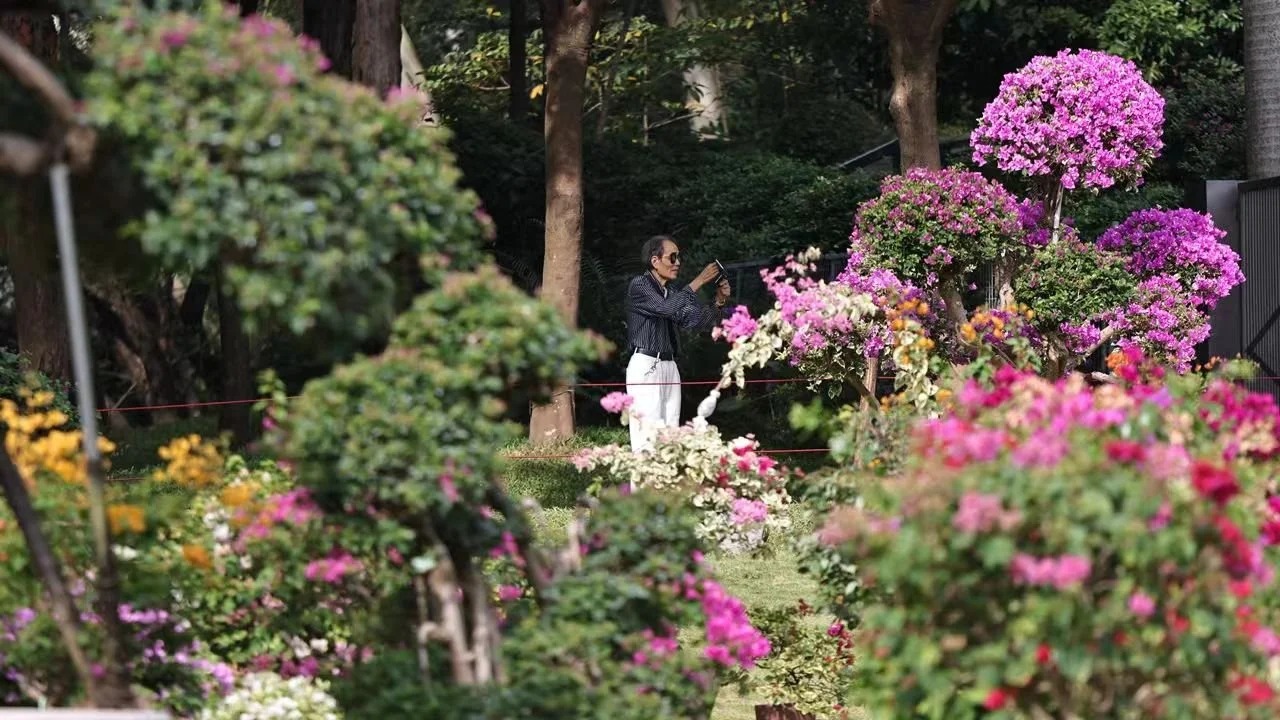
After several rounds of discussion and selection, 11 plants were shortlisted: Litchi, Maple, Camphor Tree, Banyan Tree, Bougainvillea, Crape Myrtle, Purple Wisteria, Osmanthus, Hibiscus, Orchid, and Phoenix Tree. The list included both native species and popular flowers with beautiful landscapes, taking into account regional characteristics, ecological suitability, and public acceptance.
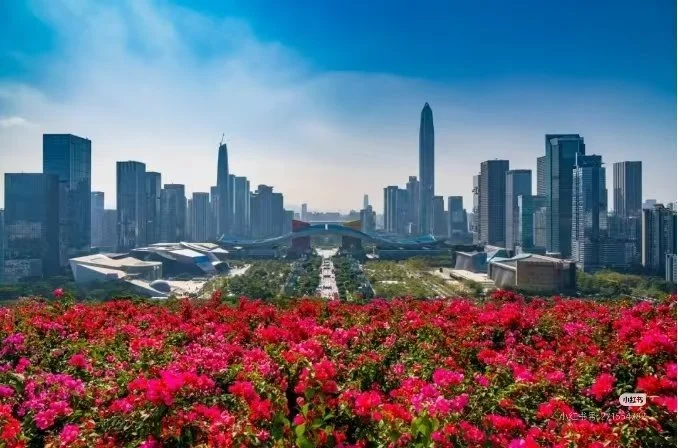
Shenzhen has established various organizations related to Bougainvillea, such as the Bougainvillea International Exchange and Cooperation Foundation, the Bougainvillea Literature and Art Award, the Bougainvillea Art Troupe, and the Bougainvillea Literature Salon. A book titled “Bougainvillea in Bloom” was published, and a movie called “Flaming Bougainvillea” was made. In March 2012, the “Bougainvillea Medal” was created to honor those who have contributed to Shenzhen’s development.
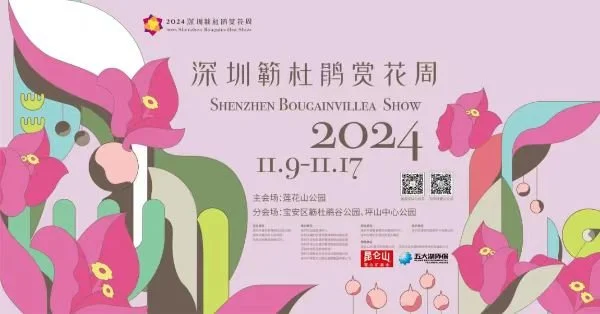
Since October 1999, Shenzhen has held an annual Bougainvillea exhibition, allowing citizens to enjoy different varieties of the plant. By 2022, the exhibition had reached its 23rd edition, with growing scale. In 2023, a new venue in Bao’an was added, displaying over 150 varieties of Bougainvillea.
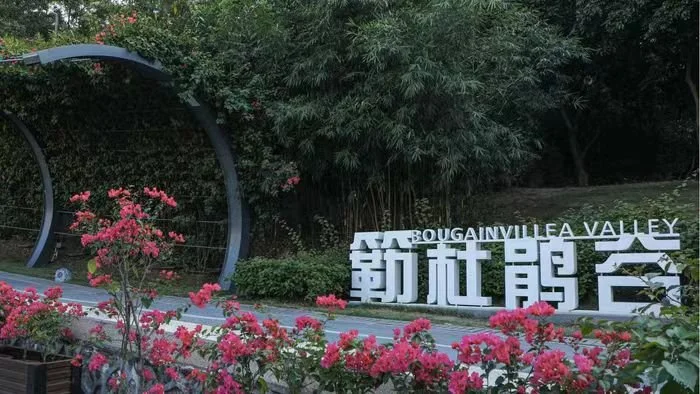
In the 1980s, Shenzhen only had three native varieties of Bougainvillea: purple, red, and light purple-red. Chen Tao from Shenzhen Xianhu Botanical Garden led a team to Southeast Asia, Africa, and the Americas to introduce new varieties. They collected over 80 varieties from around the world, filling the gap in genetic resources for Bougainvillea in South China. By the 2020s, Shenzhen had developed over 400 varieties, making it one of the cities with the most Bougainvillea varieties in China.
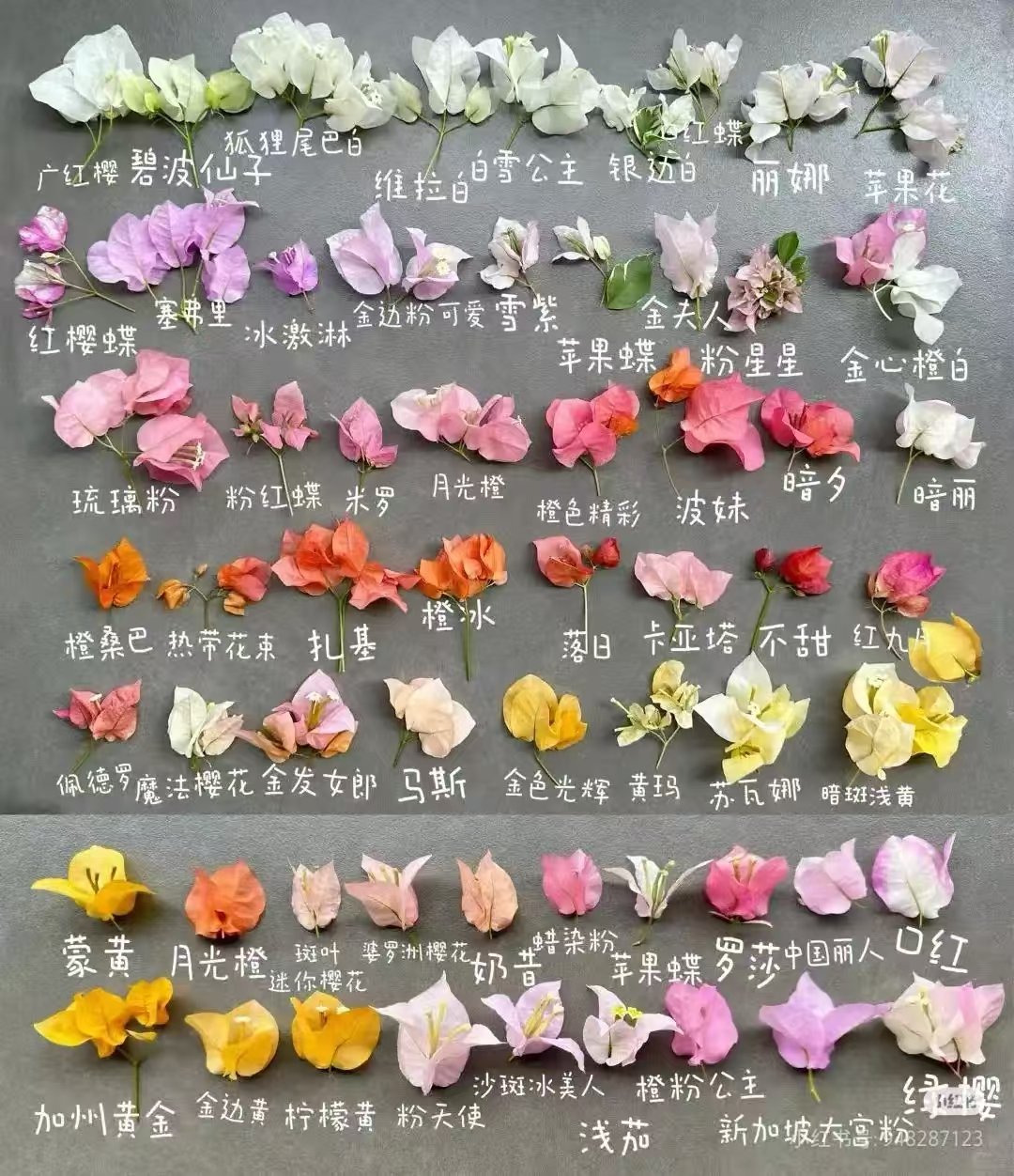
Chen Tao’s team also succeeded in making Bougainvillea bloom periodically in pots, breaking the natural limitation of blooming times. This technique became a standard for cultivating Bougainvillea in South China.
The selection process involved multiple rounds of evaluation and public voting, ensuring citizen participation and decision-making. Bougainvillea won with 8,681 votes, becoming Shenzhen’s official city flower.